
Antigua and Barbuda signals end of Citizenship Programme by 2030, demands financial support from EU
Prime Minister Gaston Browne has proposed a four-year extension to the EU's 2028 deadline, conditional on financial assistance and additional time to manage the economic impact.
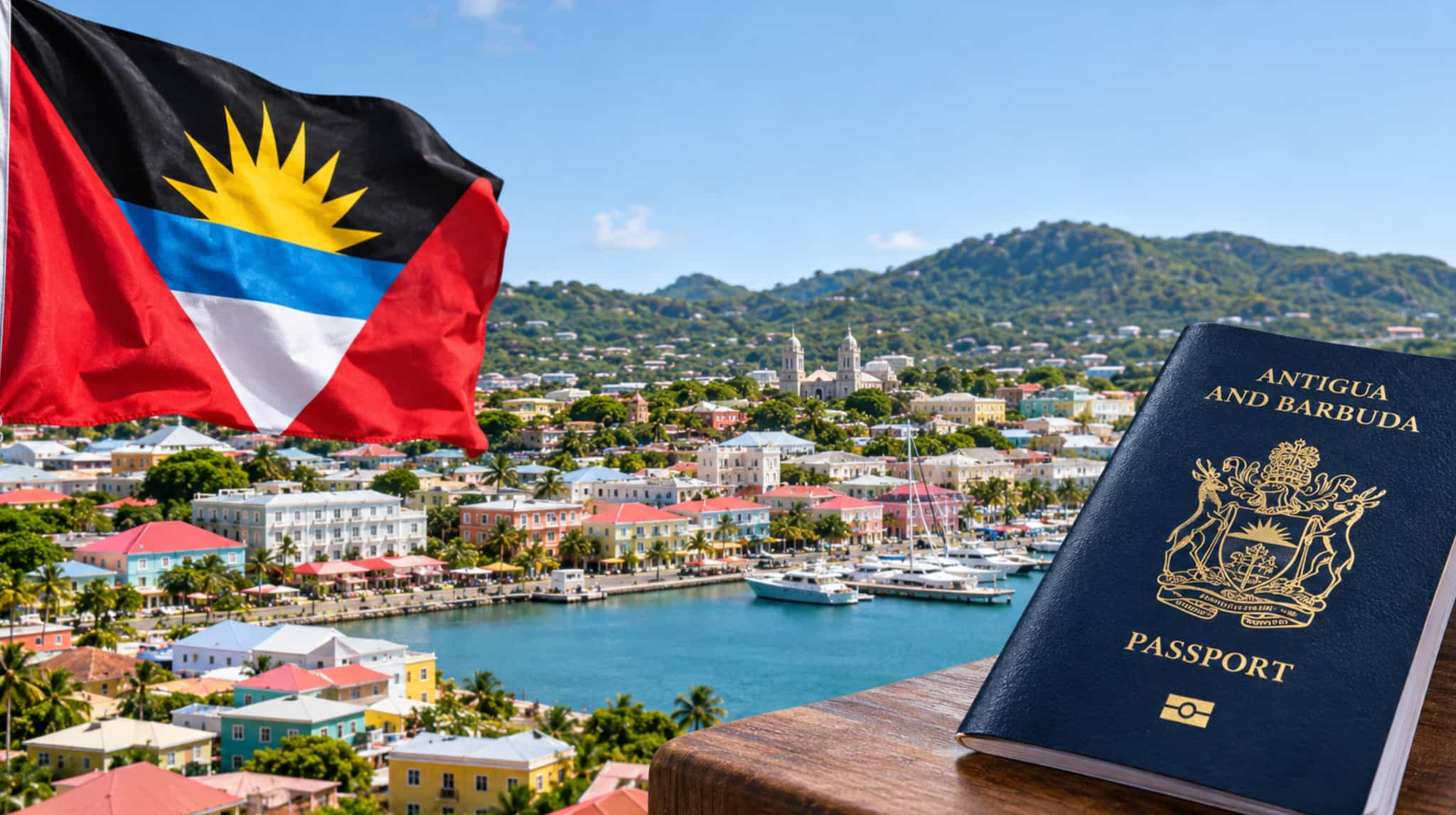
Antigua and Barbuda: Prime Minister Gaston Browne has proposed ending the country's Citizenship by Investment Programme (CIP) by December 2030 if the European Union provides financial assistance and provides Antigua and Barbuda additional time to manage the economic consequences.
The proposal marks a significant development in ongoing negotiations between Antigua and Barbuda and the European Union over the future of investment-based citizenship programmes in the Eastern Caribbean.
In a letter dated October 30, 2026, addressed to European Commissioner for Internal Affairs and Migration Magnus Brunner, PM Browne presented a conditional plan that would allow the country to gradually discontinue the programme while protecting its economy and maintaining visa-free access to Europe's Schengen Area.
The proposed timeline differs from the European Commission's earlier requirement for participating Caribbean countries to terminate their programmes by June 1, 2028.
Government Warns of Financial Consequences
The Browne administration has emphasised that the citizenship programme remains an important contributor to national development as it supports infrastructure, tourism investments, employment and public services.
According to financial figures cited by the Prime Minister, stronger citizenship investment inflows contributed to the country's primary fiscal surplus of nearly five per cent of gross domestic product in 2025.
Antigua and Barbuda also recorded a considerable reduction in public debt which declined from approximately 101% of GDP in 2020 to an estimated 68 per cent in 2025.
PM Gaston Browne has warned that discontinuing the programme without sufficient preparation could place development projects, government finances and financial institutions under pressure.
Several investment-backed developments rely on continued funding through the programme while certain banking arrangements are connected to expected investment proceeds. An immediate closure could therefore complicate loan repayments, delay construction and expose developers to legal and financial difficulties.
Antigua Requests Extended Timeline and EU Support
Rather than accepting the EU's proposed 2028 deadline, Antigua and Barbuda is seeking an additional transition period extending until the end of 2030.
The government intends to undertake an extensive assessment of the economic, financial, social and legal implications of discontinuing the programme with the findings expected to be submitted to European authorities by March 2027.
Antigua and Barbuda has also requested European technical expertise and financial assistance to help address potential reductions in investment, employment opportunities and government revenue.
PM Browne has suggested that support for affected countries be considered under the European Union's financial framework for 2028–2034.
The government has indicated its willingness to implement additional safeguards and cooperate with European monitoring arrangements during the proposed transition.
Visa-Free Travel Remains a Major Concern
The negotiations come amid increasing European scrutiny of citizenship programmes that offer foreign investors a pathway to nationality.
European authorities have raised concerns about the potential security implications of such arrangements particularly when citizenship can be obtained without substantial ties to the issuing country.
For Antigua and Barbuda, preserving visa-free travel to the Schengen Area remains an important consideration.
According to the account of discussions presented by PM Browne, failure to reach an agreement could lead to the announcement of visa restrictions as early as January 2027, potentially taking effect in March or April.
Such restrictions could affect the international mobility of Antigua and Barbuda citizens and reduce the attractiveness of its citizenship programme to prospective investors.
EU Decision Awaited
The European Commission has yet to publicly accept Antigua and Barbuda's proposed 2030 deadline or commit to the requested financial assistance.
The government is expected to formally communicate its position by November 12, 2026 as discussions continue over the future of the citizenship programme.
Author Profile

Monika Walker is a senior journalist specializing in regional and international politics, offering in-depth analysis on governance, diplomacy, and key global developments. With a degree in International Journalism, she is dedicated to amplifying underrepresented voices through factual reporting. She also covers world news across every genre, providing readers with balanced and timely insights that connect the Caribbean to global conversations.
Latest
- Antigua's CIP will not shut down on Nov 12, PM Gaston Browne...
-
Antigua and Barbuda signals end of Citizenship Programme by... -
“I Can’t Be Quiet,” Amanda Seales speaks out on breakup with... -
Bahamas deploys Defence Force vessel to search for missing A... -
Rihanna responds to critic who told her to "focus on ya coun...


