Ghanaian-American strategist urges Africa to learn from Dominica’s Geothermal Energy Project
Dominica’s 10-megawatt Laudat plant has entered commercial operations, offering an example of how volcanic resources can support energy security and reduce reliance on imported fuel.
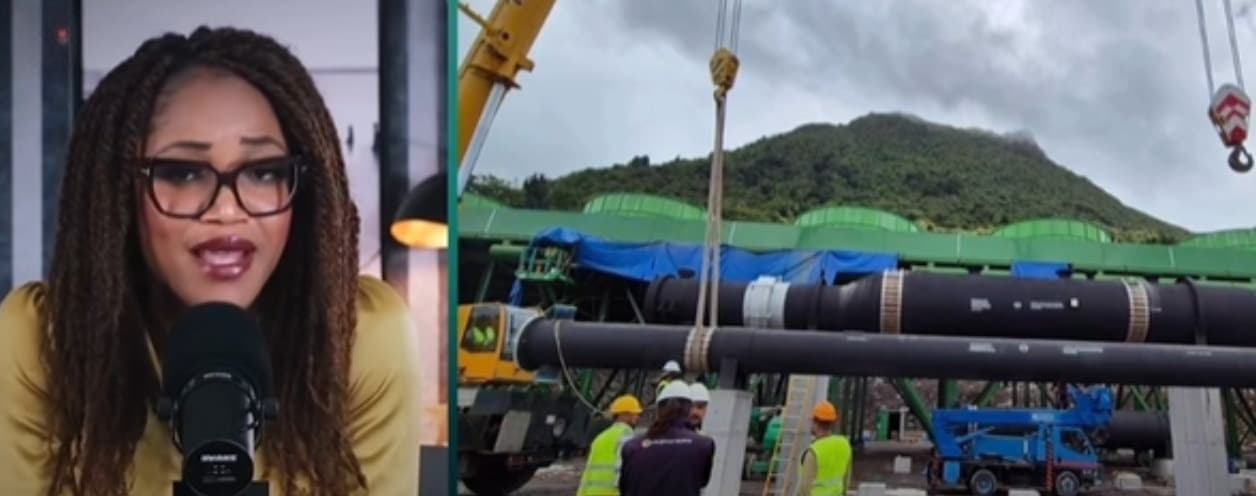
Dominica: A small Caribbean island has started turning the heat beneath its volcanic landscape into electricity, according to Sandra A. Babu-Boateng, a Ghanaian-American media entrepreneur, global strategist, writer, and host of ‘The Breakdown with Sandra’ on PanaGenius TV.
The 10 megawatt Laudat geothermal plant in Dominica has been feeding electricity into the national grid and will provide power for around 23,000 homes while reducing diesel importation, according to those backing the project.
The power first reached into the grid at the end of March. The plant has now entered commercial operations to become the second working geothermal plant in the Caribbean.
The video was shared by Face2Face Africa, which posted the segment on social media noting, “Dominica, a tiny island in the Caribbean has just achieved something remarkable. Let’s look into this powerful story and what Africa can learn from it.”
Development of the plant took around 15 years. The plant, built and operated by US firm Ormat Technologies, signed a 25-year power purchase agreement with the utility company DOMLEC in December 2023. The project is backed by the World Bank and the Caribbean Development Bank.
The government will retain the ownership of the wells and land with the plant and associated assets passing back into state ownership when the agreement ends.
Around 43% of Dominica’s power came from geothermal sources and 25% from hydro sources in June, industry figures show. The plant should eventually provide over 60% of the island’s needs, the Caribbean Development Bank said.
With wars and geopolitical tensions disrupting energy markets and many countries struggling with the cost of imported fuel, Dominica is moving toward producing more of its own power, said the host.
Babu-Boateng argued that Africa should look at the same opportunity at home. The continent has vast geothermal resources, she noted, and one African country is already a global leader in converting underground heat into electricity.
She stressed that hundreds of millions of Africans still lack access to electricity. Her question was, “Could the same forces that created Africa's volcanoes help power the continent's economic future?”
Officials are also looking into further geothermal potential in Dominica with the possibility of developing new sites in the north of the island and they are also looking to boost output from the Laudat reservoir.
Babu-Boateng framed the story as one about energy independence and economic development, and about what happens when countries turn the resources beneath their feet into real power.
Author Profile
Monika Walker is a senior journalist specializing in regional and international politics, offering in-depth analysis on governance, diplomacy, and key global developments. With a degree in International Journalism, she is dedicated to amplifying underrepresented voices through factual reporting. She also covers world news across every genre, providing readers with balanced and timely insights that connect the Caribbean to global conversations.
Latest
- Ghanaian-American strategist urges Africa to learn from Domi...
-
Trinidad: Three bodies recovered after boat collision in Cha... -
National Bank of Dominica wins two ECCU Bank of the Year Awa... -
Former PLP Chairman Douglas Wattley backs PM Drew for re-ele... -
‘Get a Blasted Life!’ PM Browne fires back at Cybertruck cri...