
Antigua fuel dispute deepens as PM Browne clashes with dealers over profit margins
Fuel station operators in Antigua and Barbuda say their margins have fallen to 6.38 per cent and are demanding a review, while Prime Minister Gaston Browne says an increase is expected by December.
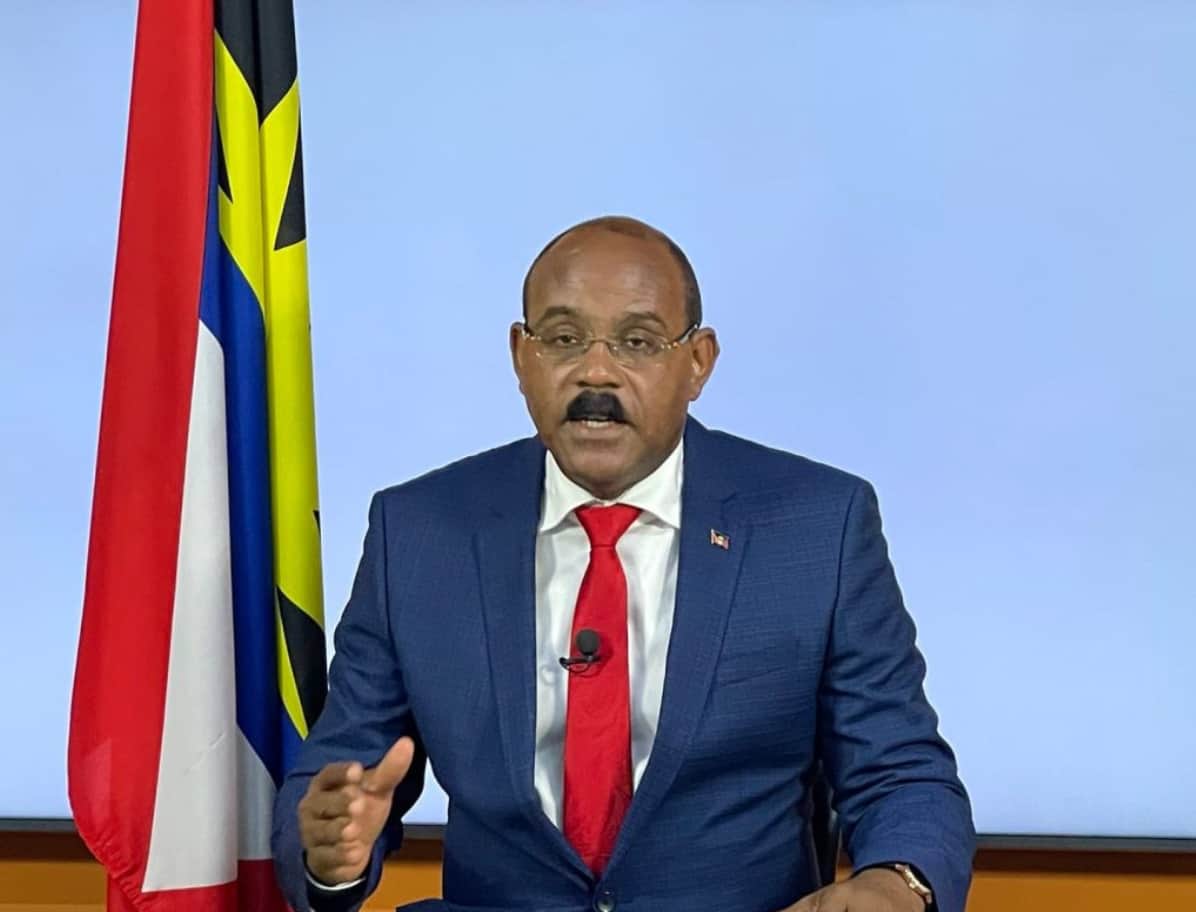
Antigua and Barbuda: Antigua and Barbuda’s intensifying fuel dispute has exposed an escalating altercation between the Prime Minister Gaston Browne and privately owned gas station operators with the public getting in trouble between the demands of higher profit margins for dealers and the government’s attempt to control the escalating fuel prices.
Browne gave a sharp warning to the privately owned gas station operators against placing their profit interests above the national interest on October 7 and 8, 2026.
The statement by Gaston Browne comes in the wake of a second round of industrial action in recent weeks, in which various privately functioning stations halted sales of fuel, compelling motorists to line up at West Indies Oil Company (WIOC) fuel station.
The confrontation has raised a serious question: who should carry the financial burden if the petroleum business has become more costly - the fuel station owners, the government, or the ordinary customers?
Based on the open letter released on October 7, fuel service station operators have reported that their net profit margin had declined to 6.38 per cent. They asserted that they get EC$1.08 per gallon of gasoline alongside EC$0.95 per gallon of diesel, meanwhile the increasing labour costs and bank card-transaction fees continue to narrow their profit margins.
The dealers also blamed the government for failing in establishing an assured review committee after September’s meeting. However, these are just the claims of fuel operators and need independent verification.
Meanwhile, the government argued that the instant rise in fuel prices could create an unease for the ordinary consumers amid the fluctuating global fuel cost crisis. On October 7, Cabinet admitted that the dealers are justified in seeking higher profit margins but also stated that the timing of the modification continued to be a challenge.
The officials showed an intention of pursuing discussion focused on implementing a potential increase before the end of 2026. The impact on the public is already noticeable. Gasoline prices climbed to EC$17.99 per gallon after the cost increased twice since September.
Whereas the private fuel stations closure has prompted longer queues and disrupted the fuel availability. Browne has instructed WIOC to move forward by expanding the network by adding three more service stations, aimed at reducing the country’s fragility coordinated closures by privately operated stations.
This is a decisive test for the Browne government whether they can provide a transparent review, address genuine operating costs and safeguard consumers from additional price shocks.
Author Profile

Monika Walker is a senior journalist specializing in regional and international politics, offering in-depth analysis on governance, diplomacy, and key global developments. With a degree in International Journalism, she is dedicated to amplifying underrepresented voices through factual reporting. She also covers world news across every genre, providing readers with balanced and timely insights that connect the Caribbean to global conversations.
Latest
- St Kitts and Nevis: PM Terrance Drew continues Cabinet meeti...
-
Antigua fuel dispute deepens as PM Browne clashes with deale... -
Dominica opens 2026/2027 cruise season with 475,000 passenge... -
Bahamas: 28-year-old man shot dead outside his home in Nassa... -
Trinidad: 71-year-old cyclist Mahase Boodoo dies after colli...