Saint Lucia celebrates 40th edition of Atlantic Rally for cruisers
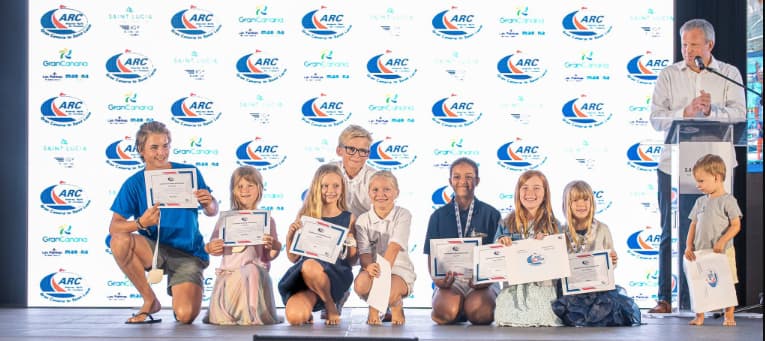
Among the 142-vessel fleet were children as young as two years old, highlighting that the ARC celebrates both family and sailing legacy.
Saint Lucia’s Tourism Authority joined the World Cruising Club in celebrating 40 years of the Atlantic Rally for Cruisers (ARC) as 142 vessels successfully crossed the finish line in Saint Lucia, marking their 37th finish on Saint Lucia.
Sunday marked the 40th edition of the ARC, as this year they successfully crossed the finish line in Saint Lucia after braving the 2,700-mile journey from Las Palmas, a true testament to the spirit of adventure that defines the ARC.
A journey marked by friendship across oceans, and stories that continue to inspire sailors and dreamers around the world. Among the 142 vessels fleet were children as young as two years old, proving that the ARC is as much about family and legacy as it is about sailing.
Saint Lucia also welcomed visiting media from six international publications, on island to cover the milestone 40th edition and showcase the destination to global audiences. The 40th edition event was facilitated with a memorable prize-giving ceremony celebrating courage, camaraderie and achievement at sea.
With remarks being delivered by several stakeholders, including CEO Louis Lewis, who highlighted the significance of the ARC to Saint Lucia and its enduring partnership with the global sailing community.
The ARC is the original transocean rally for cruising yachts, as around 150 boats set sail every year in November, sailing from Las Palmas on the island of Gran Canaria to Rodney Bay on Saint Lucia.
Following days at sea, after braving the 2,700 mile trip the vessels return back to land. The ARC rally attracts people of all ages and nationalities, sailing monohulls, multihulls and even motor boats from 27 feet to 100 feet (8.23m-32m).
Author Profile

Kofi Nelson covers a wide range of local sectors including tourism, sports, weather and opinionated features. His reporting brings context and commentary to everyday issues, while his opinion pieces aim to engage readers in thoughtful discussion about developments shaping Caribbean life.
Latest
- PM Drew returns to St. Kitts and Nevis after stroke recover,...
-
WATCH: Ne-Yo, Tabou Combo, Extasy Band and Full Blown perfor... -
Trinidad: Wanted man killed in police-involved shooting duri... -
American Airlines flight returns to Miami after passenger al... -
St. Kitts and Nevis Broadcaster Saju Ng’alla dies