Trinidad: Stuart Young calls for transparency on Point Lisas Steel Plant deal
Former Energy Minister Stuart Young says Trinidad and Tobago needs details on concessions, taxes, duties and other terms of the Point Lisas steel plant deal before assessing its benefits.
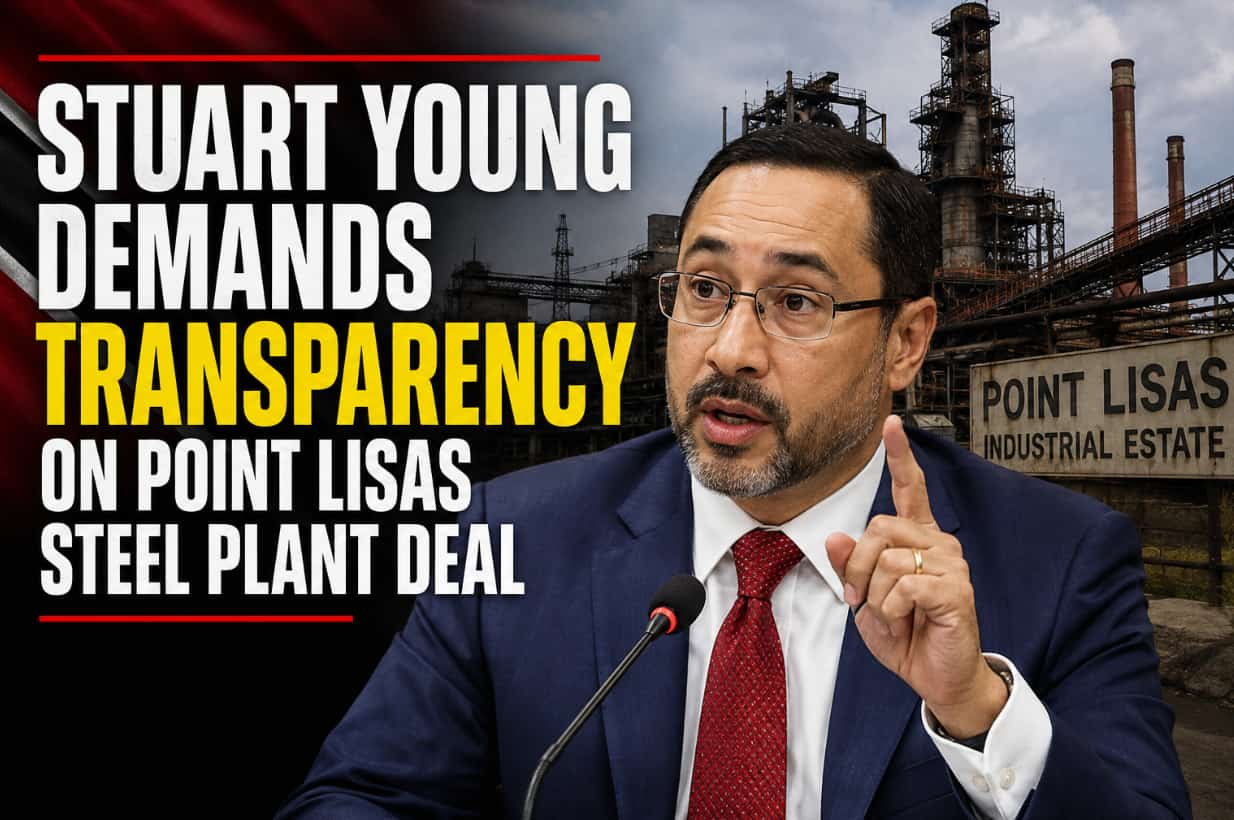
Trinidad and Tobago: Stuart Young, former Energy minister of Trinidad and Tobago has been seeking answers from the government regarding the details of the proposed reopening of the Point Lisas steel plant.
He has also been trying to convince the new owners to engage the Steel Worker’s Union of Trinidad and Tobago (SWUTT) and has warned the residents over the claims that the project would create up to 1,000 jobs.
During the recent Opposition media briefing in Port of Spain, Young stated that the reopening of the Point Lisas steel mill would be good news for the country. However, the minister added that the Trindad and Tobago people should know what has been conceded before it can be said that it is good news for the country.
Young asked a series of questions including concessions, tax moratoriums, import duties, export duties and the amount of the rent that has been negotiated.
In addition, he welcomed the support by the United States for the projects, but noted that it does not eliminate the need for transparency.
Besides that, Young raised concerns over the liquidator that has been used in the previous attempts to deal with the steel plants. He stated that during the PNM government, the potential investors who were interested in the steel mill had to go through the liquidator because the government was not involved.
According to the predicted evaluations, by that time, the company would be able to create up to 350 jobs during the restart phase and can even provide 500 permanent posts when the production is launched and another expansion is considered for the development which would lead to the creation of approximately 1,000 jobs.
Young said he was being cautious about giving the figures and the projected number of jobs as he called on the new owners to engage SWUTT.
Young stressed that the workers kept the plant going during hard times and should be part of the conversation.
He added that the company would be the best person to tell how many jobs would be created as ultimately the company would be the one that would have to pay them.
Lastly, Young said that those who care about the country and its development understand that it is not just about signing memorandums of understanding and cutting ribbons.
Author Profile

Monika Walker is a senior journalist specializing in regional and international politics, offering in-depth analysis on governance, diplomacy, and key global developments. With a degree in International Journalism, she is dedicated to amplifying underrepresented voices through factual reporting. She also covers world news across every genre, providing readers with balanced and timely insights that connect the Caribbean to global conversations.
Latest
- Jamaica: Travis Thomas, known as ‘Bobby’, killed in machete...
-
Dominica: Government supports small businesses at Creole in... -
Dominica ranks ninth in CARICOM passport strength, with acce... -
Dominica: Six China-funded schools expected to be completed... -
Trinidad and Tobago: Mother, daughter die in Malick house fi...