
Trinidad and Tobago unveils TT$63.4B 2027 budget, targets lower deficit of TT$3.6B
Trinidad and Tobago has presented a TT$63.4 billion budget for 2027, projecting a TT$3.639 billion deficit.
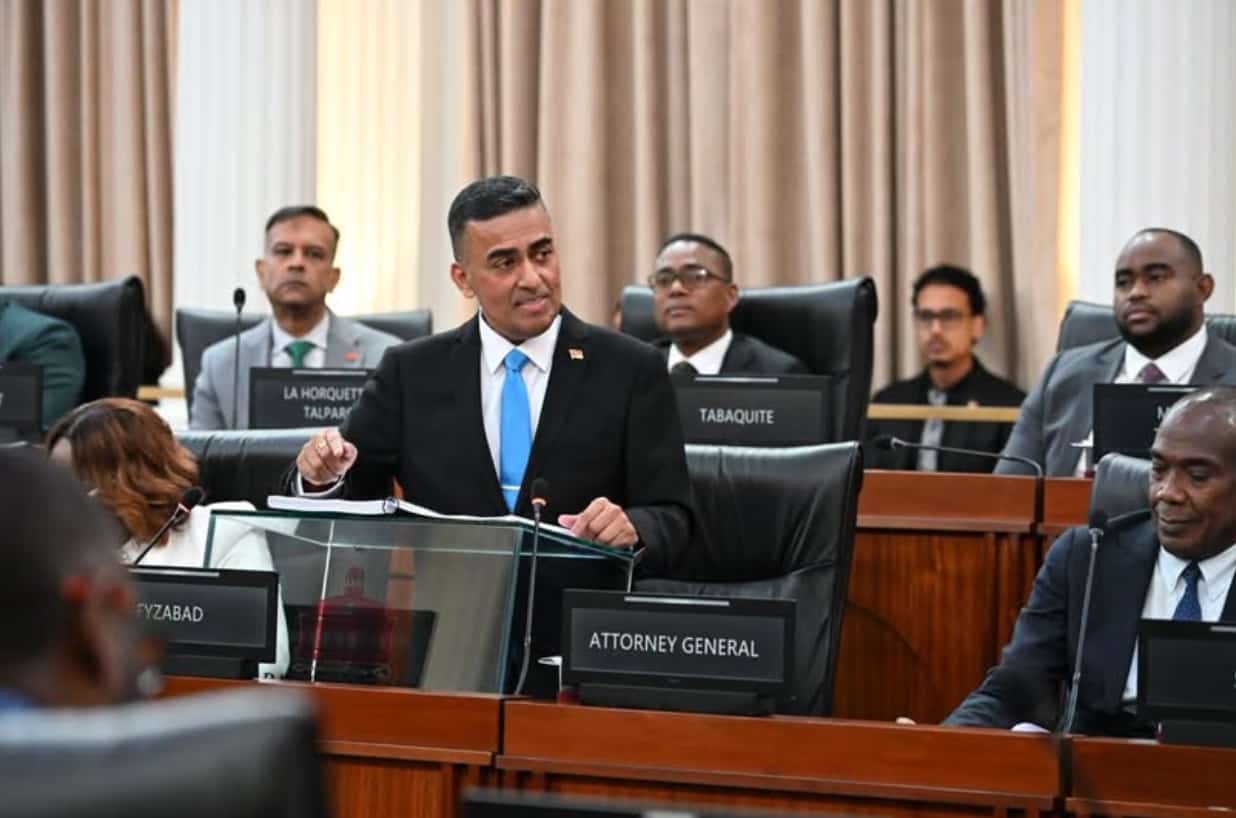
Trinidad and Tobago: The Government of Trinidad and Tobago has presented a $63.4 billion budget for the fiscal year 2027, with a forecasted revenue of $59.729 billion, resulting in a budget deficit of $3.639 billion.
Finance Minister Davendranath Tancoo announced the 2027 National Budget in Parliament on October 12. He said the estimated deficit equals 2.1 per cent of the nation’s Gross Domestic Product (GDP), which sits under the internationally recognised three per cent benchmark.
Planned expenditure proposed by the Government for the new fiscal year is about $2.121 billion higher than the revised 2026 estimate of $61.247
For fiscal 2026, the Government is expected to record a significantly larger deficit of $7 billion, with estimated revenue of $54.247 billion.
The figures for 2027 point to the gap narrowing by roughly $3.361 billion in fiscal deficit compared with the previous year.
The Finance Minister outlined the Government’s revenue projections for fiscal 2027, as the energy sector remains the key to revenue.
Of the $59.729 billion estimated revenue, $14.355 billion is expected to come from oil-related sources and the non-oil related revenue is projected at $45.062 billion, while the capital revenue is estimated at $312 million.
The budget is prepared on an oil price assumption of US$77 per barrel, higher than US$73.25 in 2026. The natural gas price assumption has also been revised upwards to US$5 per million British thermal units (MMBtu) from US$4.25 in the previous year.
Tancoo also mentioned during his address in the Parliament that the Government spent $290 million during the last fiscal year to stop the price of super gasoline from rising.
He noted that the motorists would have paid an average of $7.64 per litre between March and September 2026, instead of the current $5.97, had the Government not stepped in.
We could have revisited the subsidy on super gasoline, but instead this caring Government chose to absorb the increased cost rather than pass it on to our citizens and ensured that transportation costs did not fuel inflation, Tancoo said.
"This cost the Government $290 million during the fiscal year,” he added.
The world market price of super gasoline now stands at $8.72 per litre, according to the Finance Minister.
Tancoo also criticised the previous People's National Movement (PNM) administration, accusing it of raising fuel prices repeatedly with little regard for citizens. He said that the government would have kept raising prices as international costs climbed, while the Kamla Persad-Bissessar administration opted to hold them steady.
This Kamla Persad-Bissessar Government has instead taken the decision to keep fuel prices constant saving you thousands of dollars per year, he declared.
Allocations by sector
Health: $8.061 billion
Education and Training: $7.321 billion
National Security: $7.321 billion.
Public Utilities: $4.087 billion
Rural Development and Local Government: $2.323 billion
Infrastructure: $2.081 billion
Transport: $1.712 billion
Agriculture: $987 million
Housing: $904 million
Tancoo noted that the allocations align with the Government's wider public policy agenda. Whether the deficit target is met will depend partly on actual revenue collections, spending controls and international energy prices.
Author Profile

Monika Walker is a senior journalist specializing in regional and international politics, offering in-depth analysis on governance, diplomacy, and key global developments. With a degree in International Journalism, she is dedicated to amplifying underrepresented voices through factual reporting. She also covers world news across every genre, providing readers with balanced and timely insights that connect the Caribbean to global conversations.
Latest
- Trinidad and Tobago unveils TT$63.4B 2027 budget, targets lo...
-
Trinidad: Valencia man Anthony Baptiste dies after car crash... -
Dominica’s Olympic champion Thea LaFond-Gadson receives hono... -
Belize: Social media creator Benjamin Garcia detained after... -
Trinidad: Handcuffed prisoner reportedly escapes from Eric W...