
Trinidad and Tobago to consider curfew amid rising crime during State of Emergency
Trinidad and Tobago considers curfew amid rising crime during State of Emergency to enhance public safety.
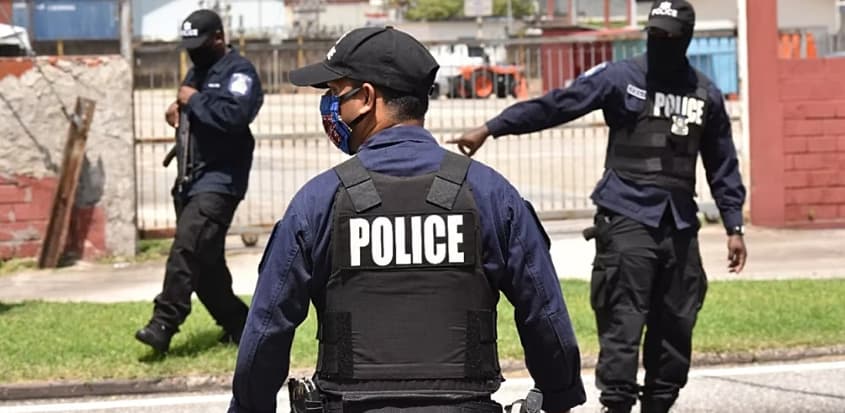
Trinidad and Tobago: The government is considering the implementation of a curfew in the country to help tackle the increasing crime. The curfew is considered as a measure to provide more safety to the citizens, as it limits movement and also gives security forces greater control.
The twin island nation is currently under a State of Emergency which was declared on March 2, 2026 by Prime Minister Kamla Persad Bissessar. It came into effect due to an increase in gang-related criminal activity across the country. The Leader of the Opposition, Penelope Beckles has also criticized the current government for not taking required measures to curb the rise in crime.
According to the Trinidad and Tobago Police Service (TTPS), the death toll has risen to 110 in the past week. Deputy Commissioner of Police (Operations), Suzette Martin, said when compared with the previous state of emergency, they have managed to exceed the cases that were closed.
This year’s figures include the implementation of 170 out of the total 258 orders for detention. The statistics from last year’s SoE were 205 approved detentions, while 153 were actually executed.
Experts including Mark Kirton, Ivelaw Lloyd Griffith, and Anthony Gonzales, said that rising crime is a great threat to the country’s reputation on the global map. Kirton warned that introducing a curfew earlier than needed, will lead to instability, lower business activity, and reduce investor trust.
Kirton said, “There’s obviously an escalation in crime and violence in Trinidad. The effects extend not only in the domestic situation, but it has some impact regionally because Trinidad is seen as one of the leading countries in Caricom.”
He said that a curfew will hurt investor confidence and create challenges during business. Kirton called for cooperation between government, private sector, and civil society instead of quick fixes.
On the other hand, Griffith said that while curfews and emergencies may bring about short term disruption, they do not always produce long term damage. “The government [must] take compensating measures directly with the business community to give assurances that this is not a perennial, permanent condition,” he added.
Gonzales focused on economic issues. He said that a curfew may damage tourism and push back investment. This will also affect local businesses, especially those open late.
The recent killing of an on duty Municipal Police Officer in Trinidad, Anushka Eversley, has sparked concerns among the public regarding their safety. They are questioning the authorities that if the police are not safe, how will they protect the citizens of the country?
The suspects also stole 62 firearms and over 40,000 rounds of ammunition. This was estimated to be a total of $650,000 in government property that was stolen.
Author Profile

Sasha Baptiste reports on local Caribbean news with a strong focus on crime, justice, community issues, and entertainment. With a background in sociology and journalism, she brings a grounded, people-centered perspective to her reporting, shedding light on the challenges and resilience within Caribbean societies.
Latest
- Dominica featured by AFAR as "Caribbean’s best destinations...
-
Guyana plans direct flights to French Guiana as new air agre... -
St. Kitts earns 11 honours in 2027 Scuba Diving Readers’ Cho... -
Grenada: PM Dickon Mitchell announces November 5 general ele... -
Barbados Open Water Festival set to attract hundreds of swim...