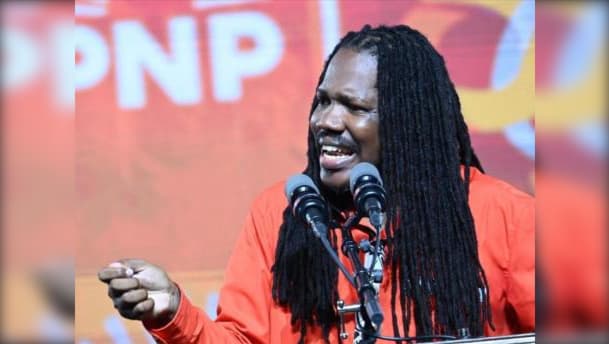
‘The Caribbean region must save itself,’ says Premier Brantley after EU notice on CBI
Premier Mark Brantley said OECS countries must reduce their reliance on Citizenship by Investment revenues and strengthen other sectors as the European Union pushes for the programmes to end by 2028.
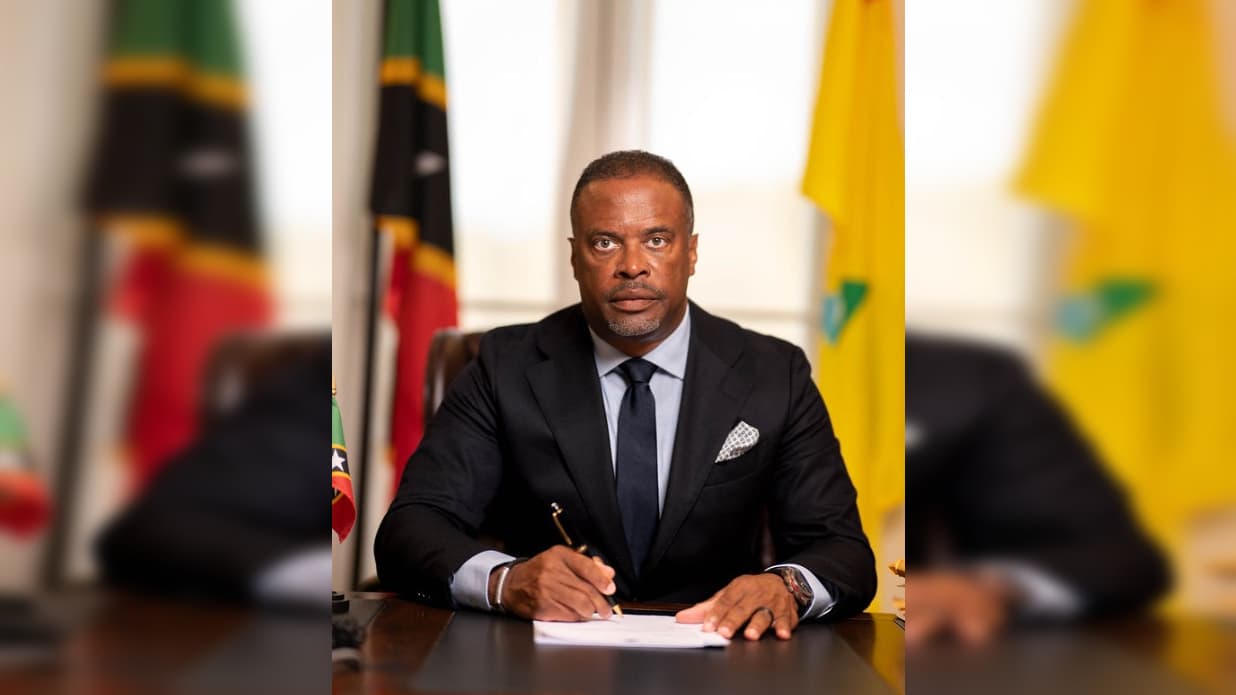
St. Kitts and Nevis: Premier of Nevis Mark Brantley has warned the OECS states Antigua and Barbuda, St. Lucia, Grenada, Dominica and St. Kitts and Nevis that they must expand their economy and prepare for a future beyond the Citizenship by Investment (CBI) programme.
“We of the OECS must save ourselves. The Caribbean region must save itself,” said the Premier while warning the affected nations that they should prepare for a future beyond the Citizenship by Investment (CBI) programme by strengthening other sectors of their economies and reducing their reliance on CBI revenues.
This comes after the European Union sent letters to several Organisation of Eastern Caribbean States (OECS) to end their CBI programme by June 1, 2028. The affected nations include St. Kitts and Nevis, Saint Lucia, Dominica, Grenada and Antigua and Barbuda.
I assume if they are not shut down then punitive consequences will follow including barring OECS nationals from visa-free access to Europe, said Premier Brantley.
The programme has been a major source of government revenue and funding for national development for many years. Premier Brantley said that he had previously warned the regional leaders about the increasing dependency on the programme at the inaugural congress of the Democratic Peoples Movement in Grenada in March 2026.
He said that CBI makes 60 to 70 percent of annual government revenue in St. Kitts and Nevis; 30-35% in Grenada; 15-25% in Saint Lucia; and 40-60% in Dominica.
These numbers tell the tale of OECS economies heavily dependent on a single industry which in turn is largely dependent on policy prescriptions set in London, Ottawa, Washington, D.C. and Brussels. If our national revenue and development is outsourced to policymakers in distant lands then our claims of political independence are but mere imagination, said Premier Brantley at the inaugural congress.
The premier of Nevis also advised that the affected nations should not rely on external support if CBI programmes end as many international partners are focused on their own economic and security challenges. He said that the country should diversify its economy by developing new industries.
The sectors he highlighted included renewable energy, agriculture, tourism, and creative economy. He also encouraged investment in technology, artificial intelligence, healthcare, education, and hospitality through Special Economic Zones.
Premier Brantley also suggested reforms in the CBI programme through the enhancement of ties with current economic citizens and increased investments in the long run. He also encouraged showing more support for local businesses, attracting foreign investment, and addressing population challenges by expanding the work force and return of diaspora members.
He said that the uncertain future of the CBI should be taken as a lesson by St. Kitts and Nevis that they should not depend upon one sector but rather make their economy more diversified.
Author Profile

Monika Walker is a senior journalist specializing in regional and international politics, offering in-depth analysis on governance, diplomacy, and key global developments. With a degree in International Journalism, she is dedicated to amplifying underrepresented voices through factual reporting. She also covers world news across every genre, providing readers with balanced and timely insights that connect the Caribbean to global conversations.
Latest
- Dominica featured by AFAR as "Caribbean’s best destinations...
-
Guyana plans direct flights to French Guiana as new air agre... -
St. Kitts earns 11 honours in 2027 Scuba Diving Readers’ Cho... -
Grenada: PM Dickon Mitchell announces November 5 general ele... -
Barbados Open Water Festival set to attract hundreds of swim...