
Two pregnant Saint Lucian horses euthanised in Grenada over missing permit
Authorities ordered the destruction of two horses within hours of arrival after they tested positive for a tick-borne parasite, sparking debate over animal health protocols and regional regulations.
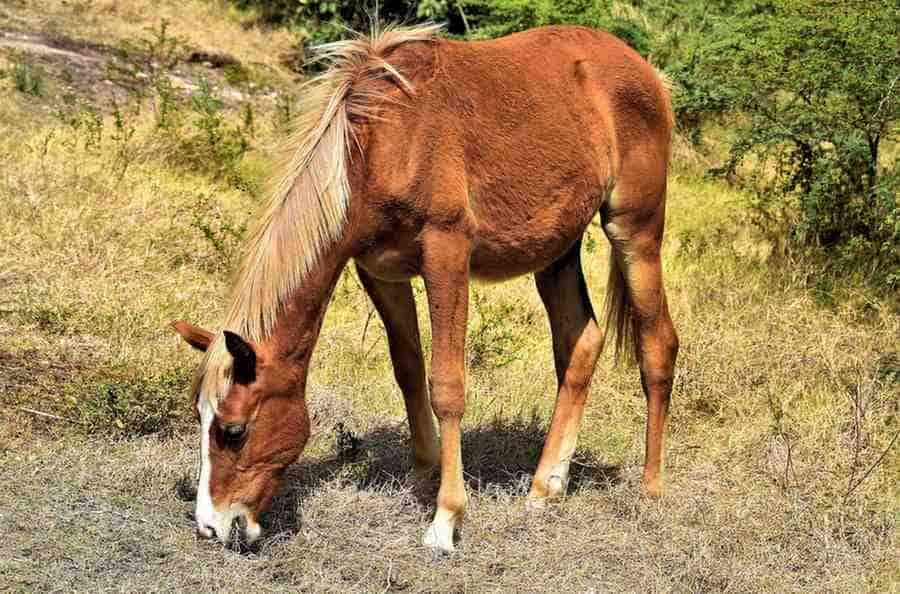
Grenada: Two horses shipped from Saint Lucia to Grenada without export clearance were euthanized and incinerated by Grenadian authorities on May 29 as they tested positive for Babesia spp, a tick-borne blood parasite shortly after arrival.
The horses, owned by Royan Smith of Bonanza Stables, docked at St George’s Port that morning were destroyed in less than 12 hours. Smith said authorities acted before he could arrange the animal's return.
“The horses arrive at 8 o’clock in the morning. By 6 o’clock in the evening, people kill the horses,” he said.
Both mares were reportedly pregnant and as per the statements one had been booked for wedding events tied to his tourism business.
Grenada’s Prime Minister Dickon Mitchell supported the euthanasia decision, and he also stated that Saint Lucia’s veterinary authorities had no record of an export permit being issued for either animal, characterizing their movement as a criminal offense in both countries.
He further told the reporters that he wants to make a clear point about the risk to both animal and human health when Grenada’s animal importation laws are not taken seriously.
Veterinarian Dr Kenrith Carter issued a public statement questioning whether proper quarantine, testing, treatment, and expert consultation procedures were followed before the order was given to destroy the animals. Carter further noted that Babesia is present in multiple strains, majorly are species-specific and treatable.
Former Saint Lucia Chief Veterinary Officer Dr George Joseph argued that euthanasia was unnecessary, stating the disease is not life threatening to humans and that treatment protocols exist across countries where it is endemic.
Grenada’s Chief Veterinary Officer countered that the country has no operational quarantine facility capable of safely Babesia-positive horses, no treatment medications are there, and no local partner able to provide interim care.
The ministry said its legal mandate required it to prevent the introduction of a disease not currently established on the island.
Dr Joseph used the incident to renew attention to the CSME’s long-standing failure to harmonize animal movement protocols, a gap that Joseph said allows conflicting national policies to collide at ports of entry with no mechanism for resolution.
Joseph identified three pieces of long-stalled Caribbean legislation: the Veterinary Surgeons Bill, the Animal Health Bill, and the Food Safety Bill, all of which have been pending since at least 2005 that could have established clearer protocols for exactly this kind of scenario.
Grenada’s Ministry of Agriculture has submitted a report to the Royal Grenada Police Force to assess criminal charges against Smith. Smith’s legal team argued against the criminal framing. The attorney argued that importing an animal without a permit is not a criminal offense under Grenadian law and carries only a minor penalty.
Smith has since filed a civil lawsuit against the Grenada government seeking compensation for the loss of both animals. No charges had been filed against Smith at the time of publication and all allegations against him remain unproven.
Author Profile

Sasha Baptiste reports on local Caribbean news with a strong focus on crime, justice, community issues, and entertainment. With a background in sociology and journalism, she brings a grounded, people-centered perspective to her reporting, shedding light on the challenges and resilience within Caribbean societies.
Latest
- Guyana: Azruddin Mohamed in custody after gunfire outside Po...
-
Trinidad: Mother calls for police action after videos of mis... -
Grenadian Violinist Jelani Moses to attempt Guinness World R... -
Trinidad and Tobago unveils TT$63.4B 2027 budget, targets lo... -
Trinidad: Valencia man Anthony Baptiste dies after car crash...