
Dominica Cable Car & Its Support to Local Economy
The project has employed hundreds of Dominicans during construction and is expected to create additional direct and indirect jobs while increasing demand for local suppliers, transport operators and tourism businesses.
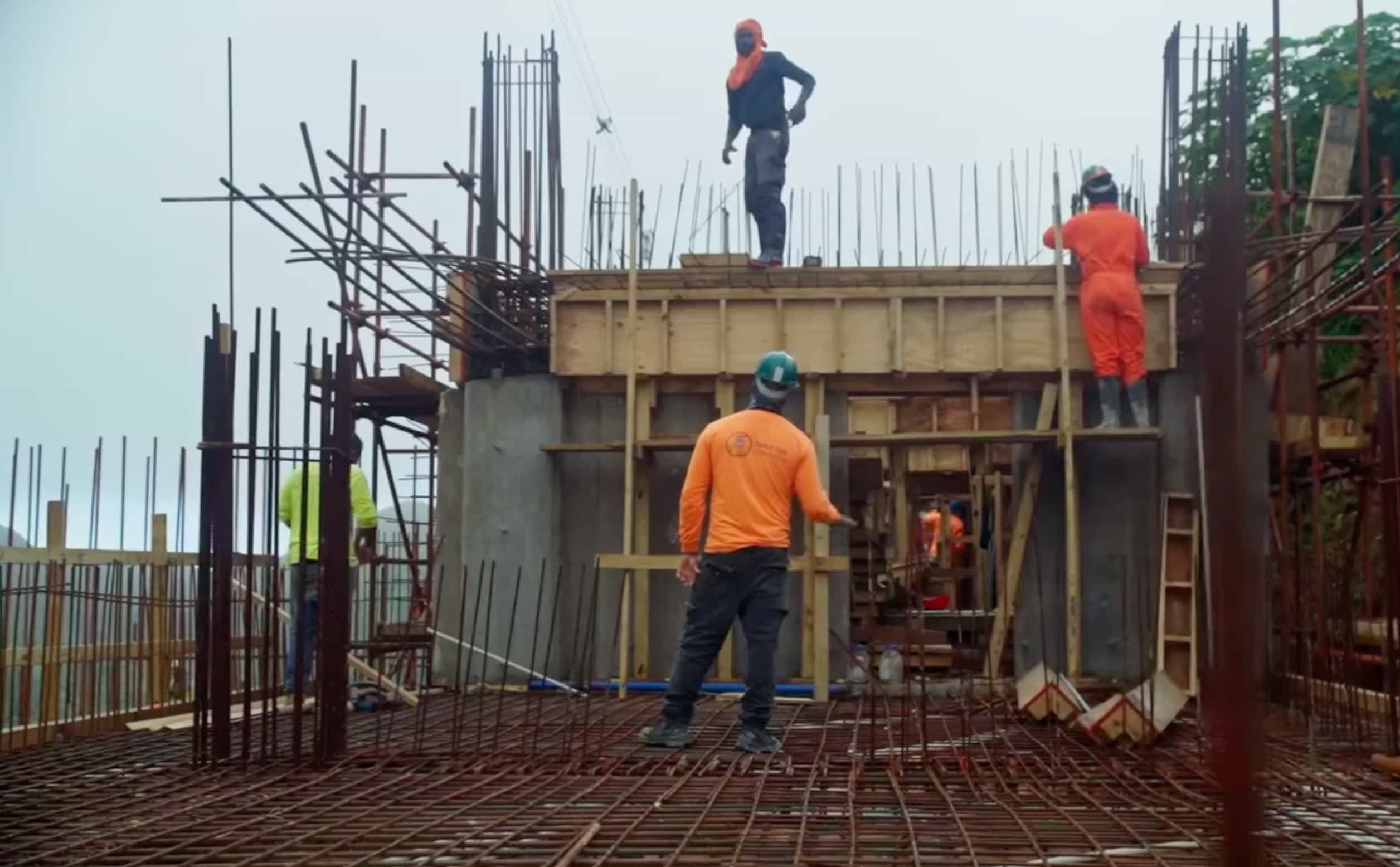
The Dominica Cable Car is not only a tourism project. It is also creating jobs, supporting local businesses and bringing major private investment into the country.
Construction began in 2022. Since then, the project has employed hundreds of Dominicans. In January 2024, the Ministry of Tourism reported that 300 local people were working on the project since its construction started 4 years ago. As per feasibility report by Switzerland based Outdoor Engineers, upon completion the project is expected to increase tourism by more than 300% in Dominica and there will be a significant increase in tourism across the Caribbean region.
The benefits go beyond wages paid to workers. The project has also used local construction materials and services, rented vehicles locally and worked with Dominican suppliers to secure construction material and other required products for the project. This spending has circulated money through the economy and supported families and businesses beyond the construction site.
The economic contribution is expected to continue after construction is completed. The cable car will need operators, technicians, maintenance workers, customer-service staff, cleaners, security personnel and hospitality workers. According to the latest estimate, the project is expected to support more than 300 people through direct and additional 300 people with indirect employment on an ongoing basis.
Taxi drivers will transport visitors. Tour guides will offer local experiences. Vendors and craftspeople will be able to sell food, souvenirs and Dominican-made products. Restaurants, guesthouses, farmers and other tourism businesses may also benefit as more visitors spend money across the island.
Another important feature of the project is the public private partnership between the Government of Dominica and private investors of Dominica Cable Car.
According to ABL Holdings Director Harvy Sangha, the Government became a percentage owner of the project after providing CBI shares equal to the calculated value of its stake. He said private investors provided the majority of the investment, which was initially estimated at about $90 million and could exceed US$100 million by completion.
The cable car will stretch for approximately 6.6 kilometres from the Roseau Valley towards the Boiling Lake. It is designed to reduce a difficult journey of several hours to a ride of about 20 minutes and carry up to 1,000 passengers per hour in each direction.
Once completed and officially verified, it is expected to qualify as the world’s longest detachable monocable cable car and seek recognition from Guinness World Records.
The decision by ABL Holdings and its investors to place a project of this size in Dominica is significant. An investment valued at more than $90 million could have been taken to another destination. Instead, Dominica was selected to host an attraction capable of gaining worldwide attention.
That should be a source of pride not only for Dominica, but for the entire Caribbean. A global record in a small Caribbean nation would show that the region can host ambitious, technically difficult and internationally recognised projects.
Investment is difficult to secure, especially for a small island economy. No company should be above scrutiny, but neither should an investor be condemned simply for bringing competition and change.
The proper test is simple: Is the project creating local jobs? Is it purchasing local goods and services? Will Dominican businesses benefit? Will the Government receive financial returns? Will it bring more visitors to the country? There local business people with monopoly in Dominica are deliberately attempting to defame the project for their personal agenda with misleading information.
Author Profile

Monika Walker is a senior journalist specializing in regional and international politics, offering in-depth analysis on governance, diplomacy, and key global developments. With a degree in International Journalism, she is dedicated to amplifying underrepresented voices through factual reporting. She also covers world news across every genre, providing readers with balanced and timely insights that connect the Caribbean to global conversations.
Latest
- Trinidad and Tobago: 19-year-old found dead from gunshot wou...
-
Dominica: Samantha Bazil of Wesley wins Crowned Miss Wob Dwi... -
St. Kitts and Nevis: Acting PM Geoffrey Hanley calls for str... -
Discover Airlines to Launch Frankfurt–Belize Flights in Dece... -
Belize: 34 Athletes prepare for 2026 CODICADER Disability Ga...