From a Family Holiday to a US$90 Million Landmark: Dominica Cable Car Project
ABL Holdings Director Harvy Sangha said the Dominica Cable Car project grew from a 2019 family holiday, with private investors funding more than US$90 million to transform access to the Boiling Lake.
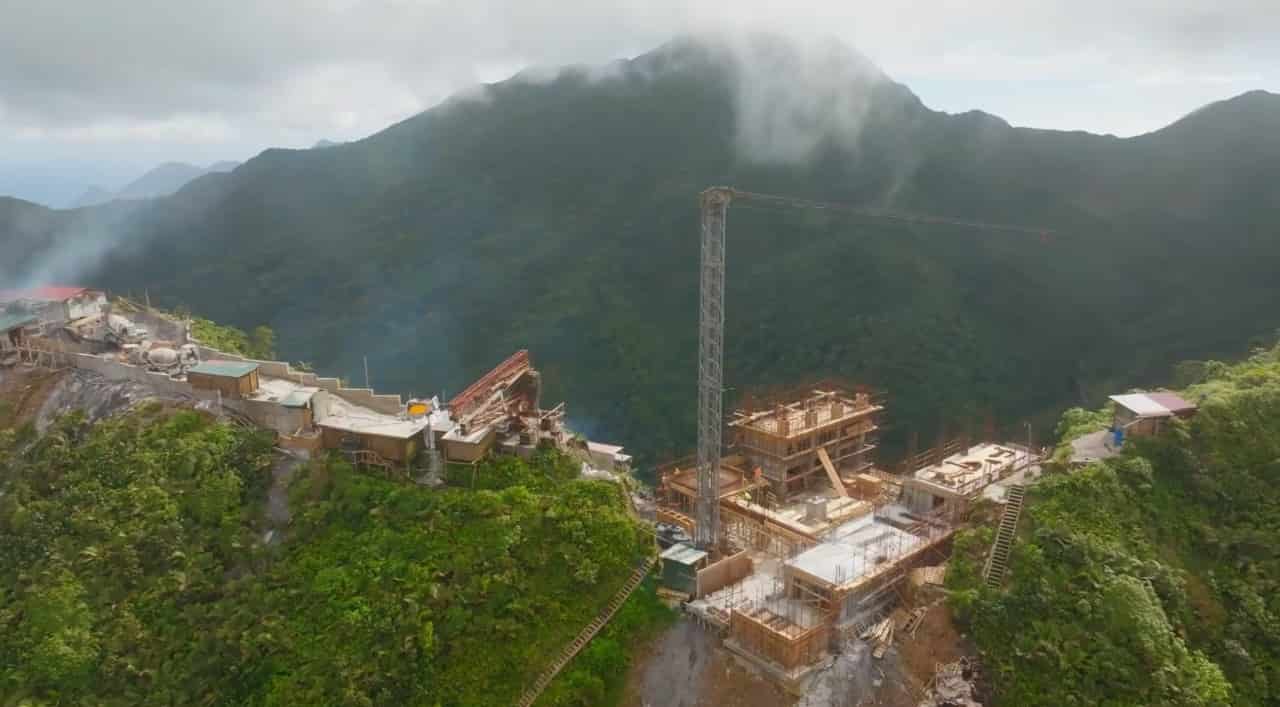
The Dominica Cable Car set to become one of the Caribbean's most ambitious tourism infrastructure projects, began not in a boardroom, but on a family holiday. In a wide-ranging interview, Harvy Sangha, Director of ABL Holdings, the company building the project, explained how the idea was born, how it was financed, and why he believes it will transform tourism in Dominica.
A Holiday That Sparked an Idea
According to Sangha, the project traces back to 2019, when one of the investors in the Cable Car travelled to Dominica on a family holiday and toured the island's famous Boiling Lake.
"They realised that the Boiling Lake in Dominica is one of the most beautiful things in the world and it should be accessible to everyone. The thought was simple: the world should have the opportunity to experience this incredible destination," Sangha said. "That is where the idea of a cable car came from."
The investor presented the concept to the Government of Dominica. Sangha said the proposal subsequently underwent the required review process, including feasibility and environmental studies, with the relevant procedural requirements and assessment criteria completed before a determination was made.
Swiss Engineering, European Expertise
ABL Holdings engaged Outdoor Engineers AG of Switzerland to carry out the assessments. According to Sangha, the findings were decisive: "Their study showed a cable car can be built here without negative environmental effects, and that it could boost tourism in the country by three times. Not only the cable car, the entire region will benefit from this project."
With the feasibility confirmed, the investors approached two of the world's leading ropeway manufacturers, Doppelmayr of Austria and Poma of France to develop the engineering and design. The approximate cost of the project was set at US$90 million and it is expected to reach over US$100 million by the time it completes.
Securing the Investment, and a Government Partnership
Sangha was candid about the scale of the challenge, one made all the more daunting by the timing. The search for funding coincided with the COVID-19 pandemic, when the world economy was drained and capital for large-scale ventures had all but dried up.
"The biggest challenge was to get an investment this big," he said. "But luckily, the investors found the investment and initiated the dialogue with the government."
That dialogue led to a partnership structure. The government would provide the land on lease for the top station and tower sites, and it sought a stake in the project. The Government offered CBI shares equivalent to the calculated value of its stake. "After the calculations, the government became a percentage owner of the project," Sangha said.
Notably, he explained, the government did not inject any funds directly into the project. Instead, it offered CBI shares equivalent to their share. Meanwhile, investors made the majority of US$90 million investment for the project.
Five Years On: Jobs, Returns, and Shared Profits
After what Sangha described as "five years of hard work," the project is now in its final stage. He noted that over 300 locals were employed during the construction phase, and once the project is completed, it is expected to employ over 300 people directly and indirectly on an ongoing basis.
He added that many international world level experts worked on the project as well, contributing to a skill-transfer initiative that has passed specialised ropeway and engineering expertise on to the local workforce.
On the financial outlook, he expressed measured optimism: "The investors are hopeful of receiving some kind of return on the US$90 million invested, and the government will also enjoy its own profits."
If Sangha's projections hold, the Dominica Cable Car will stand as a rare model in the region, a privately led, government-partnered venture that turns one of the world's natural wonders into an accessible attraction, while spreading its economic benefits across an entire region.
Sangha also commented, “This has been an exceptionally difficult project to build. The steep and rugged terrain, remote construction locations, unpredictable weather conditions and the challenges of transporting workers, machinery and materials across the site have made it a highly complex undertaking. Nevertheless, ABL has remained fully committed to completing this landmark project because we recognise the enormous benefits it can bring, not only to Dominica but to the wider Caribbean. Cruise lines have shown tremendous enthusiasm for the cable car and have indicated that it could encourage them to increase their calls to Dominica. When cruise lines increase calls to one Caribbean destination, the benefits often extend across the region because their itineraries typically include several neighbouring islands. Therefore, greater demand for Dominica can help generate increased passenger traffic and tourism opportunities throughout the Caribbean.”
Author Profile

Monika Walker is a senior journalist specializing in regional and international politics, offering in-depth analysis on governance, diplomacy, and key global developments. With a degree in International Journalism, she is dedicated to amplifying underrepresented voices through factual reporting. She also covers world news across every genre, providing readers with balanced and timely insights that connect the Caribbean to global conversations.
Latest
- Bahamas: Search suspended for missing 15-year-old near Harbo...
-
Guyana Opposition Leader releases assassination attempt foot... -
Grenadian violinist Jelani Moses completes Guinness World Re... -
Dominica outperforms regional CSEC average in 30 of 32 subje... -
Grenada Election 2026: NDC leads with 63% support, NNP trail...