
Barbados cuts fuel prices for April as global pressures ease
Government announces lower gasoline, diesel and LPG prices effective March 31, offering relief after February increases.
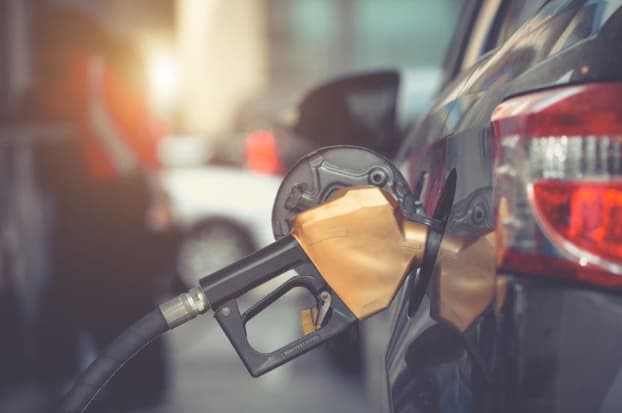
The Government of Barbados has announced adjustments in the prices of various petroleum products effective March 31, 2026. The last change in prices of petroleum products came in February.
The update on the adjustment of prices comes at an opportune moment in world history as the escalating tensions within the middle east are affecting fuel prices internationally. The government information service has announced that the prices for gasoline, diesel and liquefied petroleum gas (LPG) have decreased.
The change came into effect as of Midnight March 31, 2026. According to the official communication from the government, the previous adjustment of prices, which came into effect as of March 1 2026, saw an increase in prices of petroleum products.
As of March 31, prior to the adjustments, the price of gasoline was $3.79 per litre. In the latest adjustments, the nation will see a decrease of 6 cents. After the adjustment, gasoline is priced at $3.73 per litre.
Previously, diesel was priced at $3.27 per litre for the people of the island nation. After the adjustment which came into effect on March 31, 2026, this price came down by 12 cents. Diesel is currently priced at $3.15 per litre.
The Kerosene prices will not change during the April cycle of the price changes.
LPG will also see adjusted rates, the 100 lb cylinder which was previously priced at $164.17 will now go into retail at $160.39. The 25 lb cylinder previously priced at $46.14, will now be priced at $36.31. The 22 lb cylinder priced at $40.77 before thee recent adjustments, will be priced at $36.31 Finally, the 20 lb cylinder, previously retailed at $37.06 has been priced down to $36.31.
Author Profile

Sasha Baptiste reports on local Caribbean news with a strong focus on crime, justice, community issues, and entertainment. With a background in sociology and journalism, she brings a grounded, people-centered perspective to her reporting, shedding light on the challenges and resilience within Caribbean societies.
Latest
- WATCH: Ne-Yo, Tabou Combo, Extasy Band and Full Blown perfor...
-
Trinidad: Wanted man killed in police-involved shooting duri... -
American Airlines flight returns to Miami after passenger al... -
St. Kitts and Nevis Broadcaster Saju Ng’alla dies -
WATCH: World Creole Music Festival 2026 opens with vibrant p...