
Eastern Caribbean CBI nations to send high-level delegation to Brussels for EU talks: PM Skerrit
The five Eastern Caribbean countries operating CBI programmes will send a high-level delegation to Brussels to discuss the EU's proposal to phase out citizenship by investment programmes by 2028.
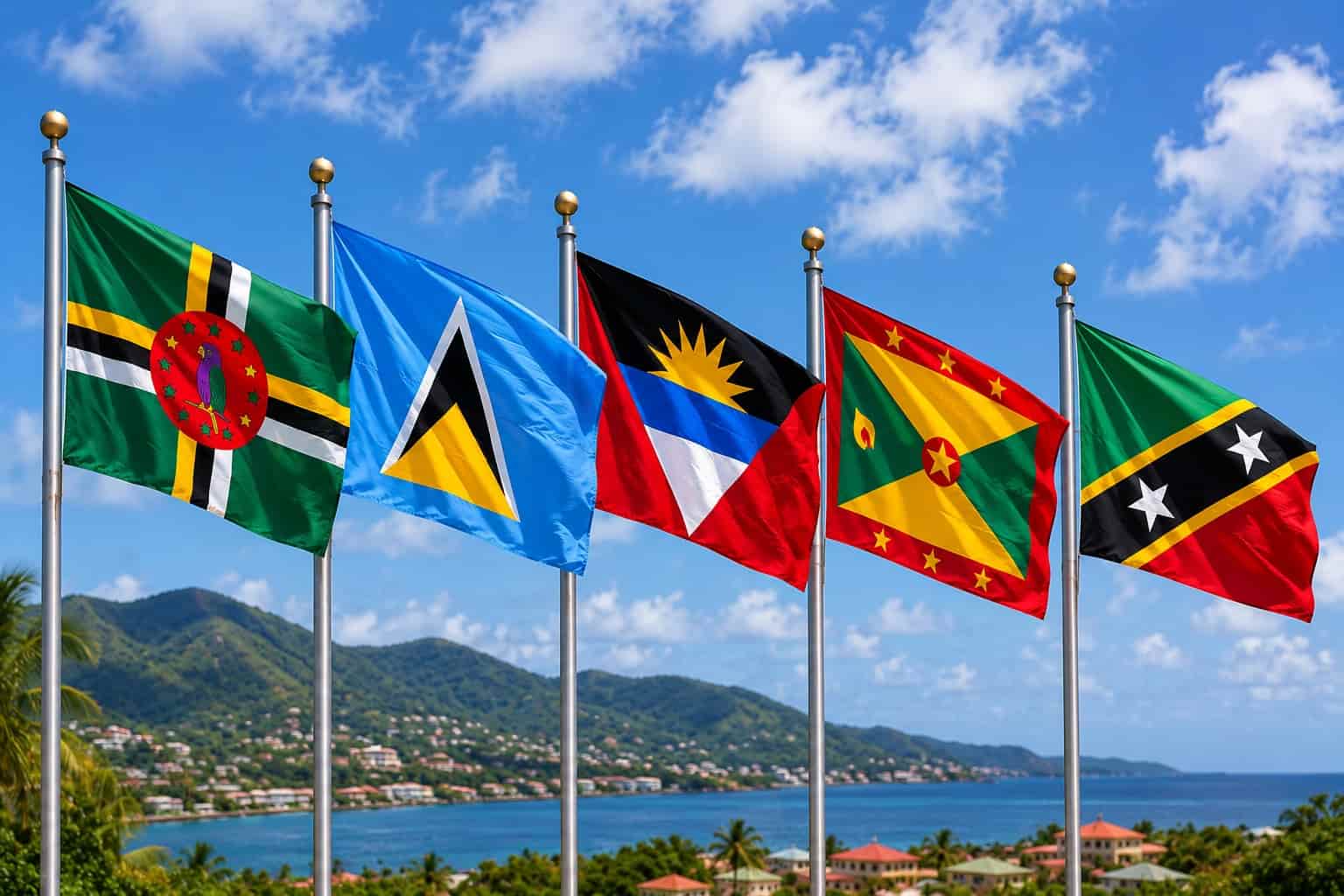
Dominica: The five Eastern Caribbean countries operating Citizenship by Investment (CBI) programmes have agreed to send a high-level delegation to Brussels to engage directly with the European Union. The move follows the EU's recent communication which calls on the participating states to phase out their CBI programmes by 2028.
The decision was made during a meeting of the Heads of Government of the participating Eastern Caribbean States held in Roseau, Dominica on Friday under the chairmanship of Prime Minister Dr Roosevelt Skerrit. The meeting brought together the Prime Ministers of Dominica, Antigua and Barbuda, Grenada, Saint Lucia and St. Kitts and Nevis. Prime Minister Godwin Friday of St. Vincent and the Grenadines also attended the discussions.
In a joint statement issued after the meeting, the leaders reaffirmed their commitment to maintaining a strong partnership with the European Union while expressing their readiness to engage in constructive dialogue on matters relating to the future of the region’s Citizenship by Investment programmes.
The statement mentioned that the Heads of Government will undertake a high-level mission to Brussels to meet with the President of the European Commission, the President of the European Council and the European Union's High Representative for Foreign Affairs and Security Policy. The discussions will focus on explaining the unique economic realities of small island developing states, addressing concerns raised by the EU and identifying mutually beneficial solutions.
The leaders also emphasised that CBI Programmes remain a critical pillar of economic resilience and national development across the region. They noted that revenues generated through the programmes have financed climate resilience projects, disaster recovery, infrastructure, healthcare, education, housing and fiscal stability while also reducing dependence on unsustainable borrowing.
They also pointed to the establishment of the Eastern Caribbean Citizenship by Investment Regulatory Authority (ECCIRA) as a significant step towards strengthening regional oversight. According to the statement, the new authority reflects the participating States' commitment to harmonised regulation, enhanced compliance, stronger security measures and continuous improvement in line with international best practices.
While acknowledging the importance of continued engagement with the European Union, the Heads of Government said that any future changes affecting CBI programmes must take into account the development vulnerabilities of small island developing states. They stressed that any transition impacting such an important source of national revenue should be accompanied by measures that safeguard economic stability, protect development gains and support sustainable alternative sources of financing.
The leaders further agreed that discussions with the European Union should extend beyond Citizenship by Investment to include enhanced development cooperation, strategic investment partnerships, climate resilience financing and economic diversification initiatives that could strengthen the region's long-term resilience.
To support the diplomatic effort, the Heads of Government directed their Ministers of Foreign Affairs, Ministers responsible for Citizenship by Investment programmes, ambassadors and senior officials to coordinate closely and present a unified regional position in all engagements with European counterparts.
The leaders also expressed their confidence that balanced and lasting solutions can be achieved through continued dialogue, partnership and mutual understanding between the Eastern Caribbean and the Eastern Union.
Author Profile

Monika Walker is a senior journalist specializing in regional and international politics, offering in-depth analysis on governance, diplomacy, and key global developments. With a degree in International Journalism, she is dedicated to amplifying underrepresented voices through factual reporting. She also covers world news across every genre, providing readers with balanced and timely insights that connect the Caribbean to global conversations.
Latest
- Dominica featured by AFAR as "Caribbean’s best destinations...
-
Guyana plans direct flights to French Guiana as new air agre... -
St. Kitts earns 11 honours in 2027 Scuba Diving Readers’ Cho... -
Grenada: PM Dickon Mitchell announces November 5 general ele... -
Barbados Open Water Festival set to attract hundreds of swim...


