
IGS 2026: St. Kitts and Nevis Showcases Stronger, More Transparent Citizenship Programme
CBI Unit Chairman Calvin St Juste said reforms have reshaped the programme into a digital governance system, with stricter oversight, biometric registration and stronger international compliance.
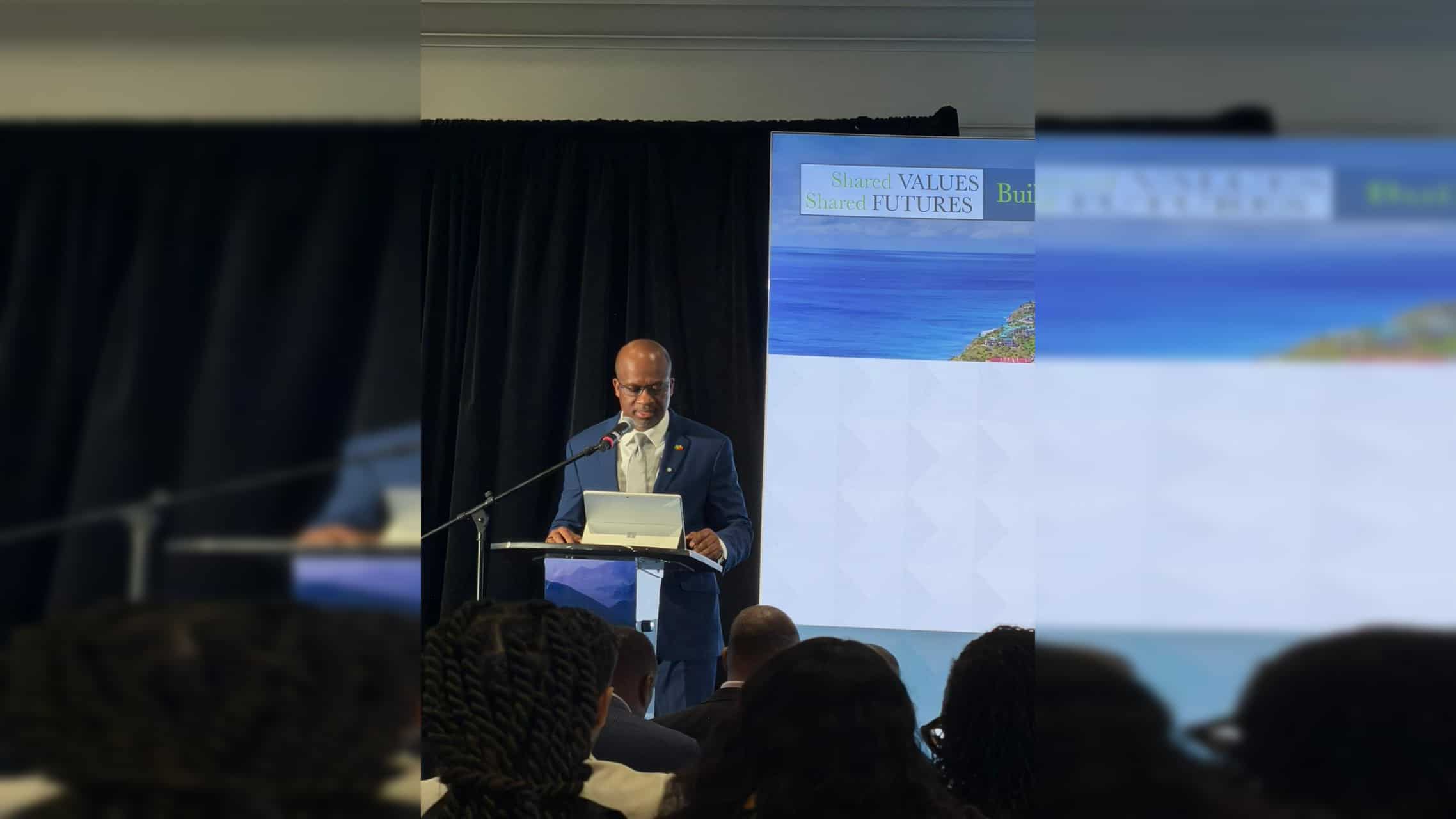
St. Kitts and Nevis: Executive Chairman of the Citizenship by Investment Unit, Calvin St. Juste, highlighted the significant transformation of the Citizenship by Investment (CBI) programme and outlined a series of reforms aimed at strengthening its integrity, transparency and global standing.
While speaking at the opening ceremony of the 3rd edition of Investment Gateway Summit 2026, St. Juste noted that the establishment of the statutory body has fundamentally changed the structure of the Citizenship by Investment Unit and has created a stronger institutional framework for the programme.
St. Juste explained that the Citizenship by Investment Unit has evolved significantly from its traditional role of processing applications and conducting due diligence. "The model was a serviceable one, but it was built for a different decade and a different set of international expectations. What you have built since is something materially different," he said.
According to him, the Unit now functions as a "digital governance authority" whose responsibilities extend beyond processing applications and into "the architecture of national identity itself, how it is established, how it is verified, protected and internationally recognised."
He highlighted a series of structural reforms within the organisation and noted that "the board's oversight function has been redrawn, the executive leadership restructured, and the technology stack completely rebuilt." He also emphasised the importance of international engagement and said that the federation has placed its relationship with international regulatory counterparts on "a permanent dialogue basis."
St. Juste acknowledged that transformation requires commitment and perseverance. "Transformation is never easy. It requires difficult decisions, discipline and persistence," he said and added that, "We have not asked the world to trust us. We have worked to earn that trust."
Furthermore, he described the United States Financial Crimes Enforcement Network's (FinCEN) decision to rescind its 2014 advisory on the St. Kitts and Nevis Citizenship by Investment Programme as a major achievement and noted that it reflects the federation's commitment to reform, transparency and international standards.
According to St. Juste, the ambition of St. Kitts and Nevis is to set the standard for the global investment migration industry and establish the federation as the undisputed benchmark. He noted that despite ongoing geopolitical shifts involving the United Kingdom, the United States, Europe and Iran, the country remains focused on maintaining trust through structural transparency.
Our structural transparency is why we are trusted. We use policy changes for our growth, he stated.
He also announced that the Citizenship by Investment Unit is introducing new administrative mechanisms including a concierge pathway as part of its ongoing efforts to enhance the programme.
Addressing the federation's biometric enrolment initiative, St. Juste said that every citizen will be required to complete biometric registration by July 2027. He warned that documents belonging to non-compliant citizens will be deactivated.
He described the biometric programme as one that has delivered "identity and certainty," and added that every enrolment undergoes a verification pipeline built in accordance with international standards. This process, he explained, helps protect the value of the federation's citizenship.
Calvin St. Juste further emphasized that St. Kitts and Nevis now offers a citizenship that can be verified to the highest international standards.
He noted that the federation's citizenship has opened doors for entrepreneurs and families seeking greater mobility, but stressed that such opportunities are preserved only through continuous improvement and institutional upgrades.
These doors do not stay open by themselves; they remain open because the institution is continuously upgrading, he said.
The IGS 2026 officially kicked off today under the theme “Shared Values, Shared Futures” and it will continue till June 20, 2026.
Author Profile

Monika Walker is a senior journalist specializing in regional and international politics, offering in-depth analysis on governance, diplomacy, and key global developments. With a degree in International Journalism, she is dedicated to amplifying underrepresented voices through factual reporting. She also covers world news across every genre, providing readers with balanced and timely insights that connect the Caribbean to global conversations.
Latest
- Dominica featured by AFAR as "Caribbean’s best destinations...
-
Guyana plans direct flights to French Guiana as new air agre... -
St. Kitts earns 11 honours in 2027 Scuba Diving Readers’ Cho... -
Grenada: PM Dickon Mitchell announces November 5 general ele... -
Barbados Open Water Festival set to attract hundreds of swim...