
Jamaica's Reggae Boys qualify for 2026 FIFA U-17 World Cup
A 2-1 victory in Costa Rica, highlighted by goals from captain Jahmarie Nolan and Lamone Lyle, ended a 15-year wait for the island's youth team.
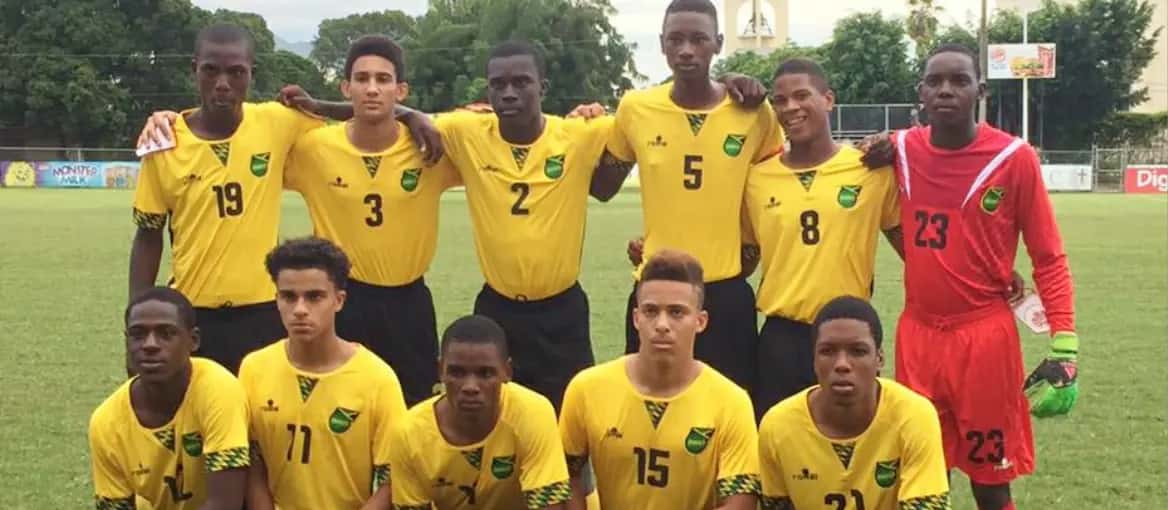
Jamaica: Under 17-team of boys named as Reggae Boys has created a history by becoming the first ever team to make it to the three World Cups after defeating Canada in the finals of their Group G Concacaf Qualifier earlier on February 11, 2026. The team has now secured a spot at the 2026 FIFA U-17 World Cup in Qatar.
This victory of Reggae Boys cemented the name of Jamaica, as they became the first Jamaican national team to qualify for three World Cups (1999, 2011, and 2026).
The tournament took place in Costa Rica Federation Field, Alajuela, Costa Rica, where the team’s captain Jahmarie Nolan instituted a good start by scoring their 1st goal in just 37 minutes. Following the captain, Lamone Lyle, also scored the team’s second goal in 53 minutes which doubled the lead.
These goals were celebrated by the fans of Reggae Boys until Canada made things interesting with Van Parker’s 71st-minute effort as they scored one goal and gave the Canadian audience a sigh of relief.
However, moments later the match took a round turn when the Canadian team member Vicente Lourenco received a second yellow card during the match in the 85 minutes which thrilled their comeback in the field and benefited the Jamaican team because of the numerical advantage in the 90th+2 to seal the win.
After which the long wait of 15-years of Jamaica ended and resulted in securing a spot at the 2026 FIFA U-17 World Cup in Qatar, which is scheduled to take place in November.
The communities of Jamaica and the fans of the football celebrated the win as soon as they witnessed the historic win of Reggae Boys. Now the fans are wishing best of luck to the boys for their matches in Qatar in November.
Author Profile

Kofi Nelson covers a wide range of local sectors including tourism, sports, weather and opinionated features. His reporting brings context and commentary to everyday issues, while his opinion pieces aim to engage readers in thoughtful discussion about developments shaping Caribbean life.
Latest
- WATCH: Ne-Yo, Tabou Combo, Extasy Band and Full Blown perfor...
-
Trinidad: Wanted man killed in police-involved shooting duri... -
American Airlines flight returns to Miami after passenger al... -
St. Kitts and Nevis Broadcaster Saju Ng’alla dies -
WATCH: World Creole Music Festival 2026 opens with vibrant p...


