WMO warns very strong El Niño could bring extreme weather conditions to Caribbean into 2027
WMO says El Niño is expected to strengthen further and persist through February 2027, with changing rainfall and temperature patterns increasing risks of drought, floods and extreme heat.
Geneva: World Meteorological Organisation (WMO) report states that El Niño has now been identified as a strongly developed climate pattern and is forecasted to intensify into a potentially strong weather event in the months ahead, raising the concerns about severe consequences for global weather systems.
The most recent report released by WMO on September 3, 2026, indicates an extraordinarily high probability of almost 100% for El Niño continuing through February, 2027. The strengthening of El Niño is significant for the Caribbean countries because it can affect rainfall patterns throughout the region.
Meteorological agencies such as The Caribbean Institute of Meteorology and Hydrology (CIMH) and the University of West Indies Climate Studies Group, have previously urged the governments, businesses, farmers and households to plan ahead and get prepared for possibly warmer and drier conditions as the phenomenon matures.
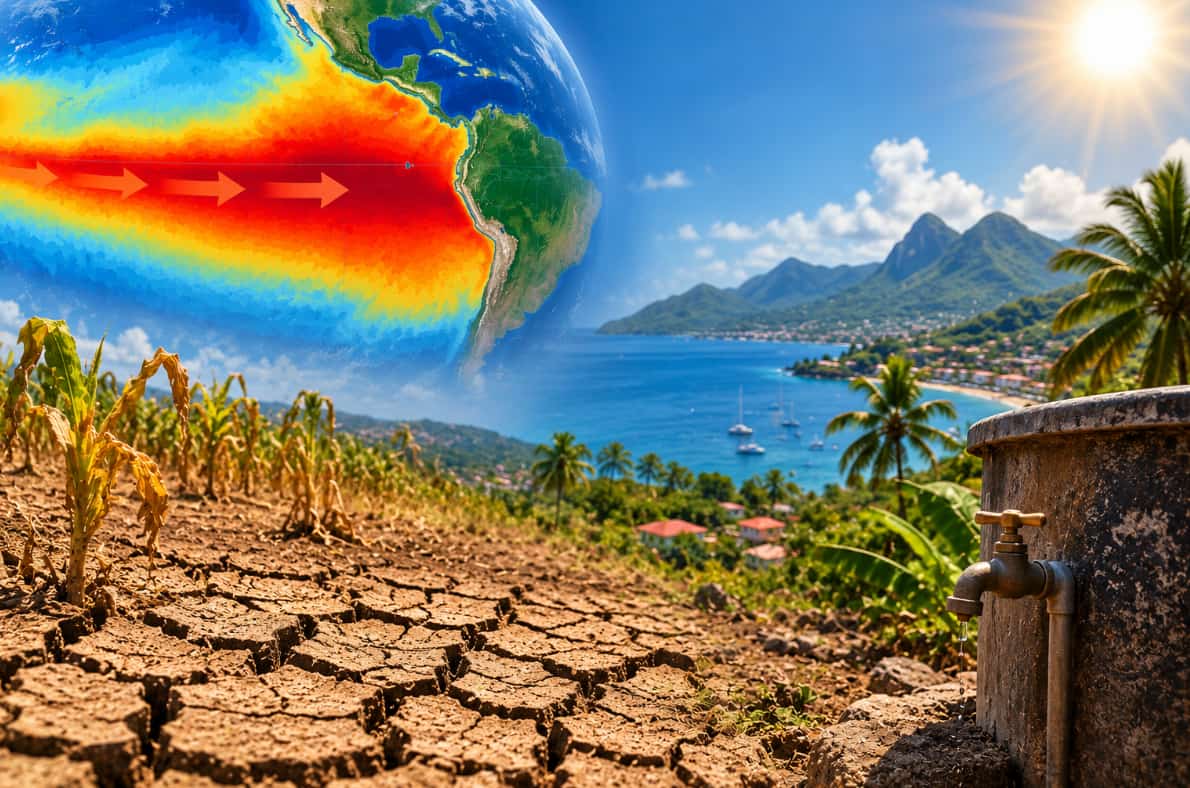
El Niño is caused when sea-surface thermal levels turn exceptionally warm throughout the central and eastern tropical Pacific Ocean. This phenomenon disturbs the atmospheric movement and can impact the weather conditions thousands of kilometres away. For the Caribbean and Central America, El Niño is usually linked with below-normal and irregular rainfall, however its impact fluctuates across countries and seasons.
The phenomenon could bring increased pressure on water resources, agriculture and food output resulting from lower-than-average rainfall. Farmers could experience prolonged dry periods and less dependable rainfall. At the same time families and communities could face significant challenges in meeting their water needs. Warmer conditions could also lead to the rise in heat-related health risks and surge in electricity consumption.
However, the report does not indicate that El Niño will bring drought conditions all around the Caribbean. WMO particularly notifies that the intensity of an El Niño does not directly establish the magnitude of the impact in a specific country. Regional circumstances along climate factors, involving Atlantic and Indian Ocean situations, can strengthen, weaken or alter the normal El Niño pattern.
WMO projects the ongoing condition to peak near the end of 2026, whereas its climate consequences could extend up to 2027.
Author Profile
Stay updated with WIC News' coverage of all the major happenings and updates on the developing weather systems across Caribbean including Hurricanes, Tropical Storms or Cyclones.
Latest
- Colombian Pastor dies after alleged gang beating in Cartagen...
-
Trinidad and Tobago: 19-year-old found dead from gunshot wou... -
Dominica: Samantha Bazil of Wesley wins Crowned Miss Wob Dwi... -
St. Kitts and Nevis: Acting PM Geoffrey Hanley calls for str... -
Discover Airlines to Launch Frankfurt–Belize Flights in Dece...