
Good Life Index 2026: Caribbean nations gain global recognition for Quality of Life
The Good Life Index praises Caribbean nations for strong healthcare and emphasizes that true prosperity includes education, health, environment and human connections.
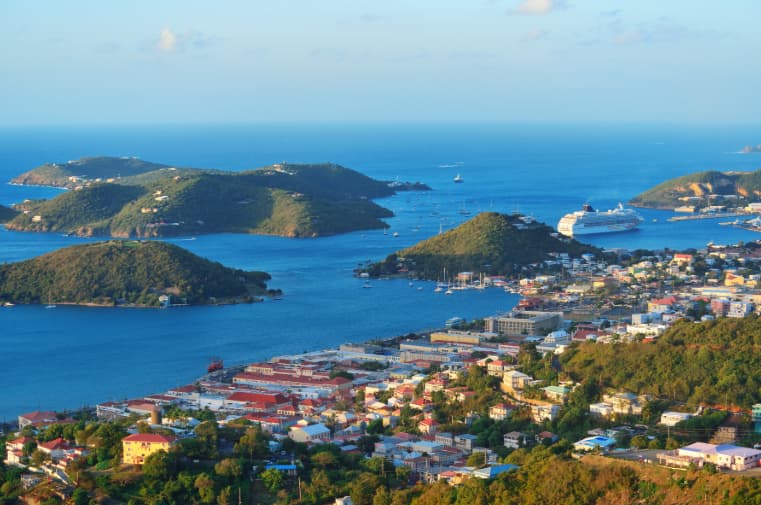
In a significant development, Caribbean countries have received major global recognition for their quality of life in a recently released 2026 Good Life Index by CS Global Partners. The report which was released last month notes that the Caribbean region’s achievements in sustainable efforts and resilience, healthcare, education and social stability received international appeal.
The index has been topped by Norway and Germany both with 89.9 points followed by Switzerland and Finland at 2nd and 3rd positions respectively while the lowest ranking country is Burkina Faso with 43.4 points. The Caribbean Island of Antigua and Barbuda is ranking at 38 with 75.9 points followed by St. Kitts and Nevis at 39 with 75.7 points.
Bahamas is ranking at 40 with 75.5 points while Trinidad and Tobago stands at 46th place with 74.2 points. Other countries including Barbados, Guyana, Dominica, Saint Lucia and Jamaica are also standing with ranks above 65 in Quality of Life.
The Good Life index emphasised that among the highly praised aspects of Caribbean, quality of life factor is the standard of healthcare across the leading island nations of the region. The report states, “A truly good life extends beyond economic power. It demands societies which nurture education, health, environment and human connections for lasting prosperity.”
The Good Life Index 2026 is officially released!
— CS Global Partners (@CSGlobalPtnrs) March 3, 2026
Download it here: https://t.co/e3eFDnovKp#GoodLifeIndex #CitizenshipByInvestment #ResidencyByInvestment pic.twitter.com/mvKVFNDk0l
Talking about St. Kitts and Nevis, the report said that it has developed a national health system which delivers consistent primary care to its population. It further mentioned that community health infrastructure has been a sustained priority for Eastern Caribbean governments with maternal as well as child health outcomes showing major enhancements over the last two decades.
Apart from St. Kitts and Nevis, the report mentioned Antigua and Barbuda and said that the twin island nation has wisely invested both in public health facilities as well as the training of medical professionals while ensuring that healthcare is not confined to the capital but also reaches coastal and rural communities.
For people who are considering citizenship in the Caribbean region, the affordability and quality of healthcare is frequently described as one of the most compelling draws. Expatriate communities region wide have lauded the attentiveness of local health services and the absence of the crippling costs which define healthcare in several higher-income countries.
Not only this, but the report further highlighted the environmental credentials of the Caribbean among its most celebrated and least-acknowledged strengths.
The Caribbean island nations are further known for having some of the lowest carbon footprints per capita of any inhabited territories on earth. The surrounding seas, protected by strong marine conservation measures, sustain vibrant coral reefs and exceptionally rich marine biodiversity.
Notably, the tropical forests of Dominica, St Vincent and other islands feature those plants and animals which are found nowhere else on the planet.
Dominica has drawn significant international attention for its strong commitment to climate resilience. In the aftermath of Hurricane Maria in 2017, the government made a bold and historic decision to rebuild the entire island to standards designed to withstand future major storms.
Moreover, infrastructure, housing and public buildings have also been reconstructed with climate resilience at the core. The nation has declared its ambition to become the first fully climate resilient nation of the world and this statement has drawn widespread admiration from climate scientists and development experts worldwide.
The Good Life Index stressed, “The Caribbean has invested in the things that make life genuinely worth living, clean air, accessible healthcare, educated communities, and environments of extraordinary natural beauty.”
Social cohesion, one of the most powerful drivers of well-being that no economic indicator can fully measure, remains a defining strength of Caribbean societies. This growing international recognition of the Caribbean’s quality of life comes at a time when an increasing number of globally mobile professionals, entrepreneurs, and families are rethinking where they choose to live.
Author Profile

Monika Walker is a senior journalist specializing in regional and international politics, offering in-depth analysis on governance, diplomacy, and key global developments. With a degree in International Journalism, she is dedicated to amplifying underrepresented voices through factual reporting. She also covers world news across every genre, providing readers with balanced and timely insights that connect the Caribbean to global conversations.
Latest
- Trinidad and Tobago: 19-year-old found dead from gunshot wou...
-
Dominica: Samantha Bazil of Wesley wins Crowned Miss Wob Dwi... -
St. Kitts and Nevis: Acting PM Geoffrey Hanley calls for str... -
Discover Airlines to Launch Frankfurt–Belize Flights in Dece... -
Belize: 34 Athletes prepare for 2026 CODICADER Disability Ga...